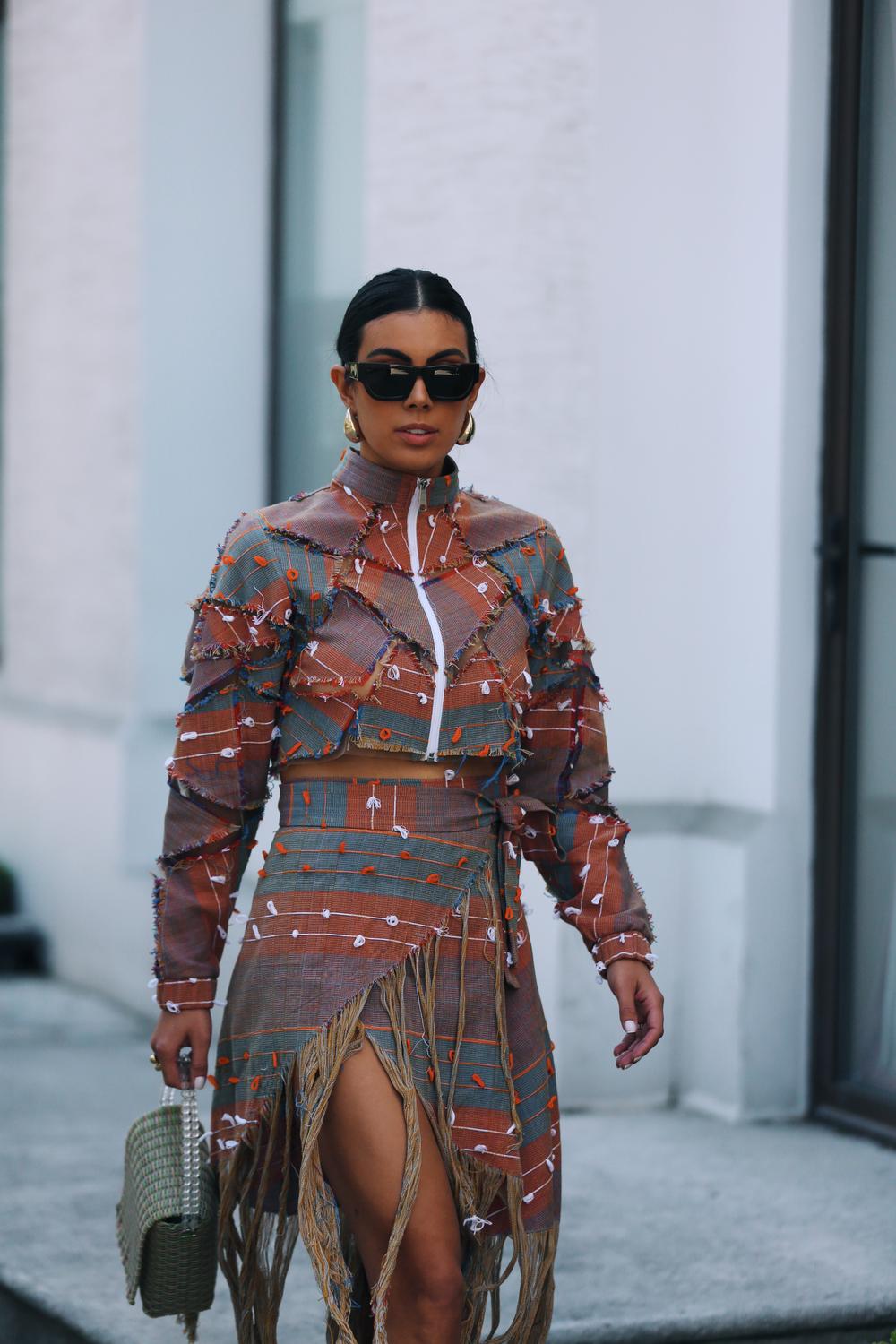
How to layer cardigans and sweaters for all-season projects
Every knitter knows the satisfaction of watching a project take shape, one row at a time. But what happens when the seasons change and your carefully crafted pieces gather dust in the back of the closet? The secret to year-round wearable knits lies in strategic layering. Cardigans and sweaters aren’t just for cold weather. With the right techniques, you can transform them into all-season staples. Let’s explore how.
For many, winter is the peak season for knitwear. However, it doesn’t have to be this way. Take the urban coco sweaters collection, for example. Their designs prioritize versatility, using natural fibers that breathe well in warmer months when layered thoughtfully. This is the kind of nuance we’ll examine in this article.
Understanding fabric weight
The key to layering starts with fabric choice. Not all yarns are created equal. Lighter weight fibers like cotton and linen are ideal for spring and summer projects. They drape beautifully and won’t overwhelm your layering efforts. On the other hand, heavier materials such as wool and alpaca provide warmth and structure during colder months.
Have you ever knitted a sweater that was too heavy for spring but too thin for winter? This is where blending fiber types comes into play. Creating layered pieces with different weights allows you to customize your knitwear for any weather.
Layering techniques
When layering cardigans, don’t just focus on temperature regulation—think about silhouette and comfort too. A bulky cardigan can add warmth but may feel constricting if worn directly against the skin or over a thick sweater. Instead, consider layering with lightweight base layers like camisoles or undershirts for a balanced fit.
The number of layers isn’t as important as understanding how textures interact. Pairing a loose-knit cardigan over a fitted sweater creates visual interest and depth, while contrasting stitch patterns or colors can enhance the overall aesthetic.
- A thin camisole under a chunky cardigan adds warmth without bulk.
- Layer a lightweight sweater over a turtleneck for extra warmth in fall.
- Block color stripes in different stitch patterns for a dynamic look.
- Combine cropped cardigans with longer sweaters to elongate proportions.
- Add a sleeveless shell under an open-front sweater for contrast and comfort.
Customizing patterns for versatility
The best projects are those you’ll reach for time and time again. To achieve this, look at pattern designs that support layering from the planning stage. For example, open-front cardigans allow multiple layering combinations without restricting arm movement or adding bulk around the midsection.
Avoid overly structured designs with rigid ribbing or excessive detailing around the neckline. These elements can restrict airflow during warmer months or make layering cumbersome in colder seasons. Instead, opt for simpler patterns with standard ribbing that offers flexibility year-round.
Consider asymmetric button placements or drop shoulders that adjust to body movements while accommodating additional clothing layers beneath them. Small square hemlines also let you customize the length according to your needs by simply folding up the extra fabric if needed in summer months, adding variety to older projects without resorting to new yarns or patterns every season without making new friends seems impossible here either by simply customizing previous works without investing fresh resources into every fashion need that arises.