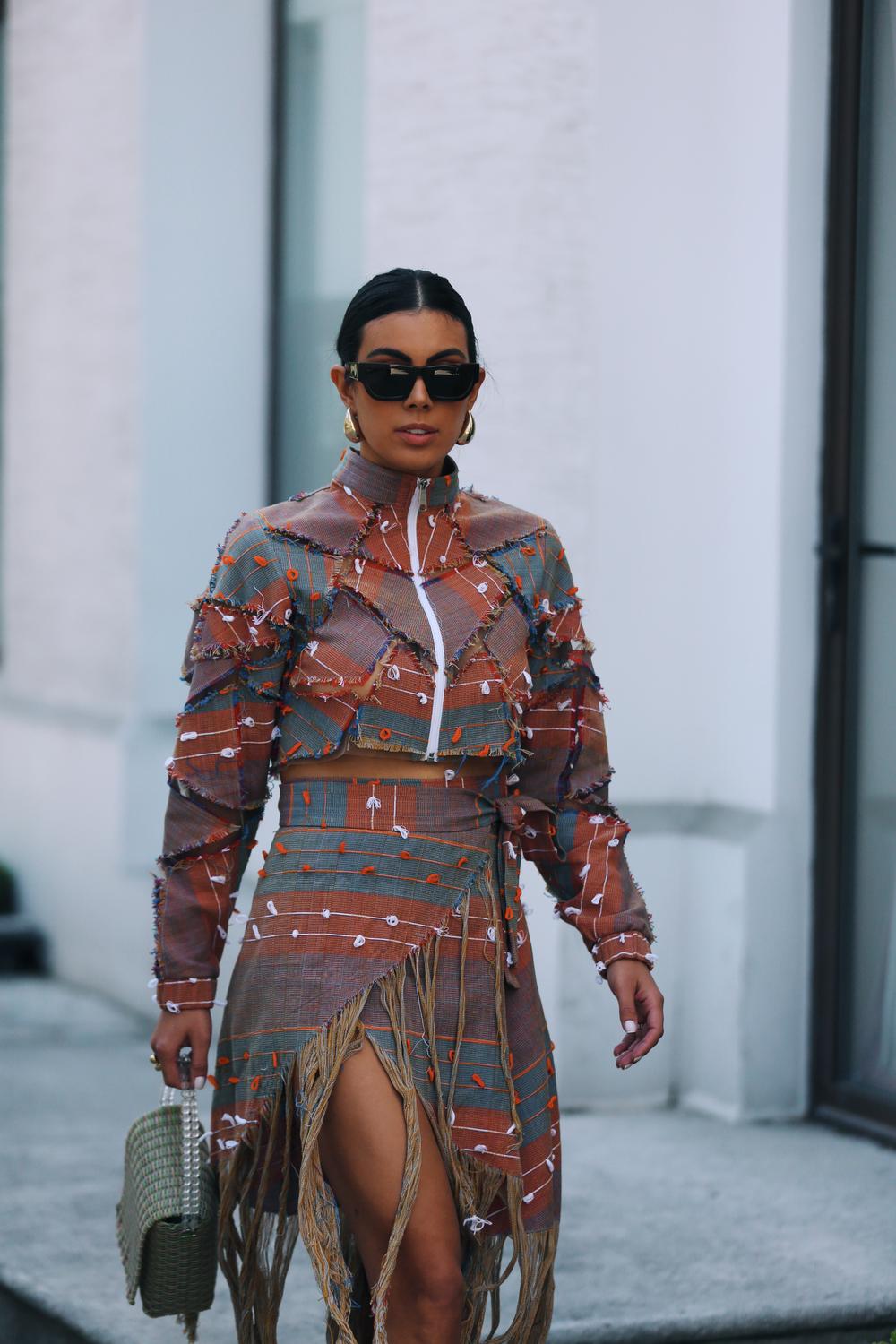

Linen Pants Are Having a Moment, But Why Now?
The weather turns warm every year. The catalogs fill with floaty dresses and crisp shorts. For a long time, linen was treated as a fabric you saw on vacation postcards or in the wardrobes of people who spent a lot of time on porches with iced tea. It had a specific, often formal, association. Something changed. Linen pants are everywhere now. They are worn to the office, to the grocery store, on city sidewalks far from any beach. This isn’t just a seasonal trend repeating itself. It feels like a shift in what we want from our clothes.
The shift may come from a collective reassessment of comfort and durability. After years of stretchy synthetics and rigid denim, many people are rediscovering natural fibers that feel good for more than twenty minutes. Linen offers a specific kind of comfort. It is breathable. It gets softer with each wash. It has a lived-in elegance that cotton often lacks. The wrinkles, once considered a flaw, are now read as a sign of a fabric that is alive and adapting to the body. For anyone looking to update their warm-weather wardrobe with a piece that prioritizes this natural feel, finding well-made options is key. A good place to start is with a brand like ueu clothing linen pants, which focuses on these inherent qualities of the fabric.
I have a pair of linen trousers I bought five years ago. They were stiff at first. I wore them on a trip to a dry, hot city. By the third day, they had molded to my shape. The heat didn’t stick to me. When I spilled a little coffee on the leg, it washed out without a trace. I remember thinking they felt like armor against the discomfort of summer. They were not delicate. They were robust. That durability is part of the new appeal. In a world of fast fashion, a garment that improves with age is quietly revolutionary.
From Porch to Pavement: The Fabric’s Functional Pivot
Historically, linen was workwear. Its roots are in ancient Egypt, worn for its cooling properties under a harsh sun. The modern pivot to everyday urban wear makes historical sense. It is a return to function, but with a different aesthetic. The cut has changed. The old, wide-leg, slightly frumpy silhouette is gone. Designers now offer straight legs, tapered crops, and elegant wide-leg styles that move with a city pace. They are being paired with sneakers, tailored blazers, simple tank tops. This versatility is central to their new popularity.
Consider a teacher who stands all day in a classroom that gets stuffy by afternoon. Jeans are too hot. Synthetic trousers don’t breathe. A pair of linen pants offers a professional enough look while solving a physical problem. Or a graphic designer who bikes to a studio. They need clothes that won’t trap heat during the commute but still look put together for client meetings. Linen fits that bill. It is solving a real problem for real people in ordinary situations. The fabric’s journey from symbolic leisure wear to practical daily uniform is a story about rethinking material value.
- Breathability that outperforms cotton in high humidity.
- A durability that increases with proper care, often lasting decades.
- Natural temperature regulation, keeping you cooler in heat and surprisingly warm in a cool breeze.
The Care and Keeping of a Natural Fiber
The common complaint is the wrinkling. But caring for linen is simpler than many think. It does not need babying. In fact, it thrives on a kind of benign neglect. You can wash it in a machine on a gentle cycle. Hang it to dry. The wrinkles will settle into a soft rumple that is part of its character. If you want a crisp look, a quick steam or an iron on a medium setting while the fabric is slightly damp does the trick. The key is to not fight its nature. Embrace the texture.
Storage matters too. Do not cram linen pants into a packed closet. Give them a little room to breathe on a hanger. This prevents deep set creases. Over time, the fabric develops a patina. The color may soften slightly. This is not fading in the negative sense. It is the garment acquiring a history. My old pair has a slight wear mark on the right pocket from my phone. I see it not as damage, but as a record of use. This relationship with clothing feels more personal than with a polyester blend that looks the same on day one and day one hundred.
- Machine wash cool, tumble dry low or hang dry for best results.
- Iron on medium heat if desired, but steaming is often sufficient.
- Store on a padded hanger to maintain shape and minimize creasing.
The rise of linen pants is not a mystery of fashion. It is a logical response to a desire for clothes that work with us, not against us. They represent a move toward intentionality in dressing, choosing fibers for their inherent properties rather than just their immediate look. They ask for a small shift in perspective, to see the wrinkle not as a failure of neatness but as evidence of a natural material. In a crowded market of options, finding pants that honor this original purpose of the fabric—to provide cool, durable comfort—is the real goal. That is the moment linen is having, and it is a moment that might just last.